A region wider than one style
CVRVV identifies nine subregions across north-western Portugal. Microclimates, grape varieties and winemaking decisions create substantial differences. Atlantic influence does not act in exactly the same way everywhere. Look for an additional subregional name on a label: it can tell you more than a general image of a uniformly green landscape.
White, rosé and red
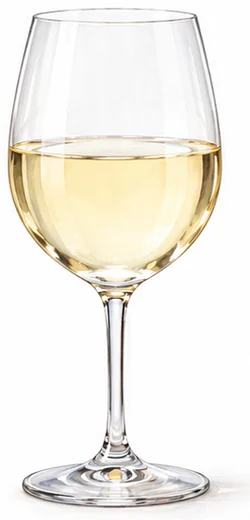
The pale-straw illustration shows a white example. The region also makes rosé and red wines. CVRVV describes classic young whites as light and fruity, sometimes with a gentle spritz, alongside fuller wines intended for ageing. Slight carbonation is therefore not an authenticity test, and an older bottle is not necessarily a young wine that has simply been kept too long.
Let the grape name guide you
Alvarinho can lean towards citrus and tropical fruit; Loureiro towards citrus and flowers. Arinto provides pronounced acidity, while red Vinhão can be deeply coloured and tannic. These are the commission’s grape profiles, not promises that every bottle will taste alike. Blending and maturation affect the result, so read the complete wine name and any producer information.
Finding a place at the table
For a light white, CVRVV suggests delicate fish, seafood or salads among its examples. A mature wine calls for a different question: how much structure does it have, and what food does its producer recommend? Port provides a comparison with a different wine identity. Cava highlights another distinction: Vinho Verde is not, by definition, a category of sparkling wine.
Flavour profile
The range includes floral-citrus Loureiro, citrus and tropical Alvarinho, acid-driven Arinto and deeply coloured, tannic Vinhão reds.
How it is served
Match service to the individual style and producer advice. CVRVV pairs young whites with fish, seafood and salads, while mature whites can suit fuller dishes.
A place on the map
Ponte de Lima represents one part of Vinho Verde. The point neither marks the nine subregions' boundaries nor identifies the sole production location.
41.76719°N · 8.58393°W
Find on the map →Sources & further reading
- CVRVV — Região dos Vinhos VerdesSource checked: 2026-10-19
- CVRVV — Indigenous grape varietiesSource checked: 2026-10-19
- CVRVV — Vinhos Verdes guideSource checked: 2026-10-19
Original catalogue sources — original check dates retained
- CVRVV — Região dos Vinhos VerdesSource checked: 2026-10-15
Prepared with AI assistance from the cited sources. No first-hand tastings or invented reviews. About the atlas.