Comparison
Port vs Madeira
Two Portuguese fortified wines with different places and maturation methods. Ruby is our reference for Port here, not a description of every Port style.
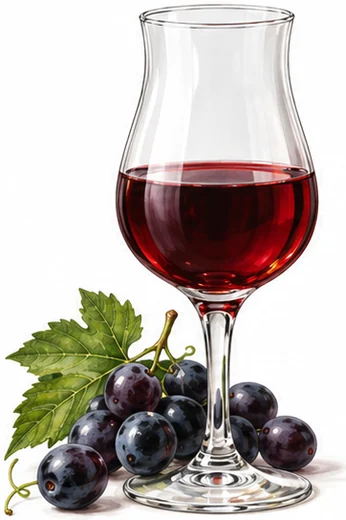
The mainland Douro. Porto and Vila Nova de Gaia are important historical centres of trade and maturation.
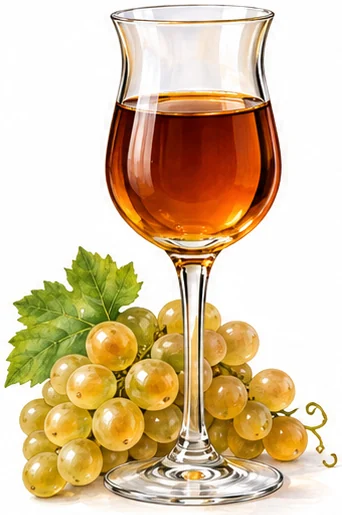
The Atlantic region of Madeira. Its island appellation should not be relocated to Porto.
Fortification interrupts fermentation. Ruby styles aim to retain a fruit-led character.
Fortification and maturation involving heat and oxygen are central to the wine’s character.
For ruby: ruby colour and red-fruit associations. Other Port styles can look and taste different.
Styles range from dry to sweet. Nutty and caramel associations depend on style and age.
Ruby, tawny or another Port? Which maturation category and specific bottle?
Which sweetness level, grape or style designation, and maturation approach?
Similarity does not mean interchangeability
Both are fortified wines, but colour and Portuguese origin are not enough to choose between bottles. With Port, establish the style. Our entry focuses on ruby; applying it to an old tawny would create the wrong expectation. Madeira does not have one sweetness level either. Traditional grape names can help orient a reader, but they must be read in the context of the full label.
The map separates different relationships
This comparison is neither a ranking nor a test of recipe substitutions. The Douro, the coastal centres of the Port trade and Atlantic Madeira play different roles in their wines’ histories. Open the individual guides for anchor explanations and serving information. Institutional and producer sources describe the wines; the atlas does not present those accounts as first-hand tasting results.
Read the full guides
Sources & further reading
- IVDP — The WinesSource checked: 2026-10-19
- IVDP — Special CategoriesSource checked: 2026-10-19
- IVDP — Choose and EnjoySource checked: 2026-10-19
- IVBAM — Vinho MadeiraSource checked: 2026-10-19
- IVBAM — Vinification and ageingSource checked: 2026-10-19
Prepared with AI assistance from the cited sources. No first-hand tastings or invented reviews.